
Jaisalmer Fort (Sonar Quila): History, Facts, Architecture & Complete Travel Guide

Interesting Facts About Jaisalmer: Exploring the Magic of Rajasthan’s Golden City
June 4, 2026
Bada Bagh Jaisalmer: History, Timings, Entry Fee, Distance & Complete Visitor Guide
July 9, 2026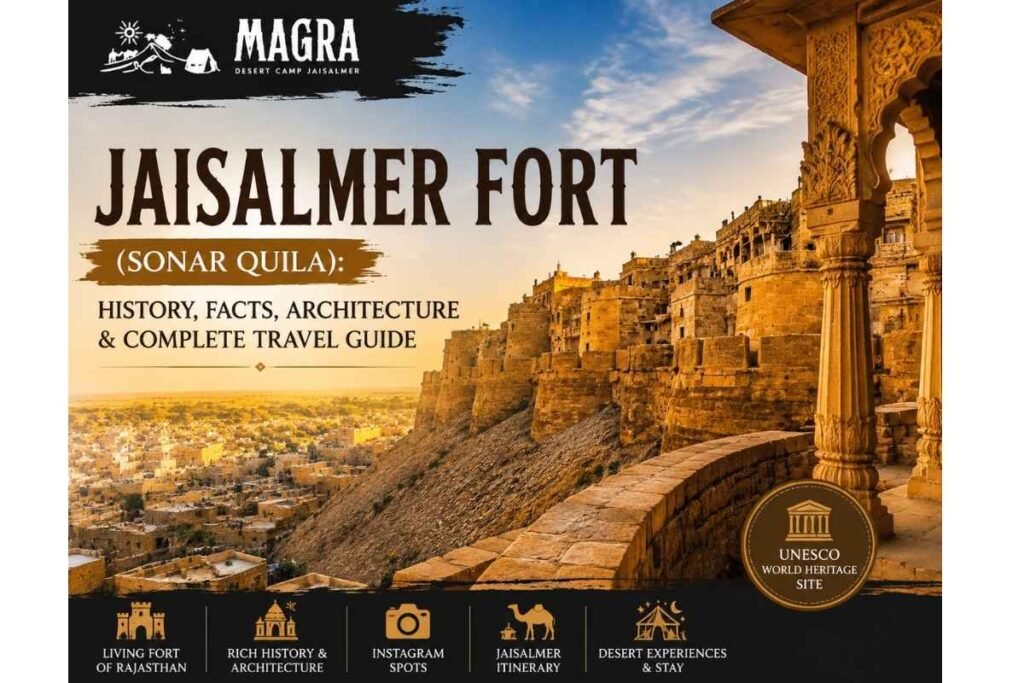
Rajasthan is home to some of India’s most magnificent forts, but none is quite like Jaisalmer Fort. Rising from the golden sands of the Thar Desert, this architectural wonder has stood proudly for more than 850 years. Known by many names such as Sonargarh Fort Jaisalmer, Golden Fort Jaisalmer, Sonar Quila, and Jaisalmar Fort, it is one of the most visited historical landmarks in the state.
What makes this fort truly special is that it is still alive. Unlike most historic forts that have become museums, Jaisalmer Fort continues to be home to local families, temples, markets, cafes, and traditional businesses. This unique characteristic has earned it the title of the Living Fort of Rajasthan and one of the world’s rare living forts. Today, nearly one-fourth of Jaisalmer’s old city population still resides within its walls.
Whether you are a history enthusiast, architecture lover, photographer, or traveler exploring Rajasthan, Jaisalmer Fort offers an unforgettable experience filled with heritage, culture, and breathtaking desert views.
Jaisalmer Fort History – The Story Behind Sonargarh Fort Jaisalmer
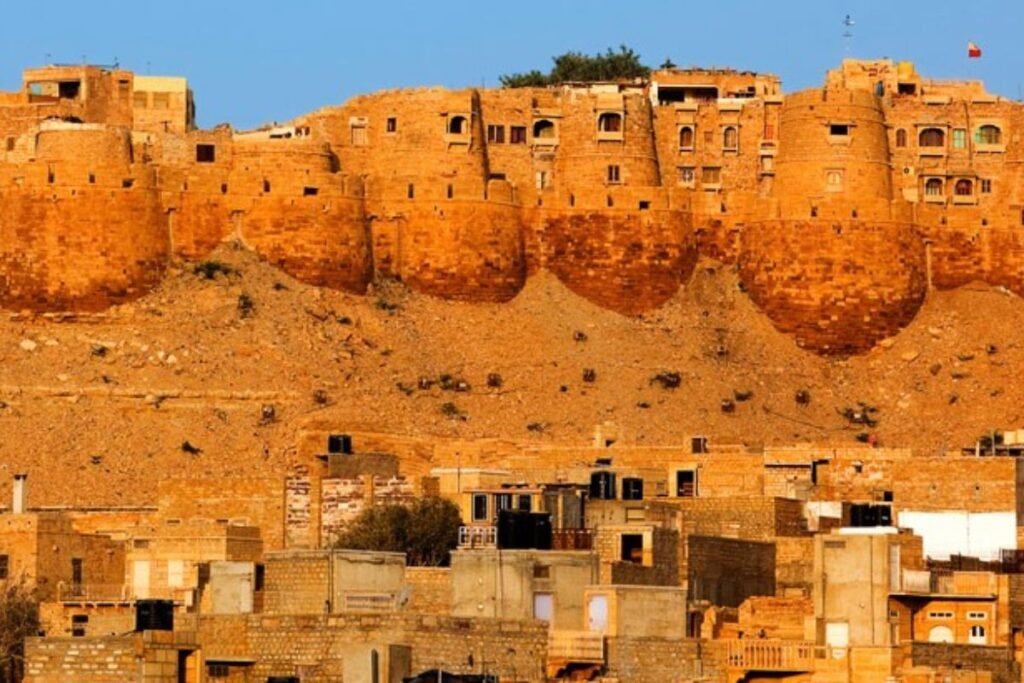
- Built in 1156 AD by Rawal Jaisal, a Bhati Rajput ruler
- Constructed on Trikuta Hill for strong defense and strategic advantage
- Located on major trade routes connecting India with Central Asia and the Middle East
- Became a major trading hub for silk, spices, precious stones, and textiles
- Faced several invasions and battles due to its wealth and strategic location
- Attacked by Alauddin Khilji in the 13th century, leading to a long siege
- Witnessed Rajput resistance and acts of bravery during multiple conflicts
- Continued to remain under Rajput control for many years despite repeated attacks
- Played an important role during medieval trade and regional power struggles
- Survived harsh desert conditions and changing political eras
- Today, it stands as one of the oldest living forts in the world
- Recognized as a symbol of Rajput bravery, heritage, and architectural excellence
- Considered one of the most famous forts of Rajasthan and a major tourist attraction
Why Is Jaisalmer Fort Called the Living Fort of Rajasthan?
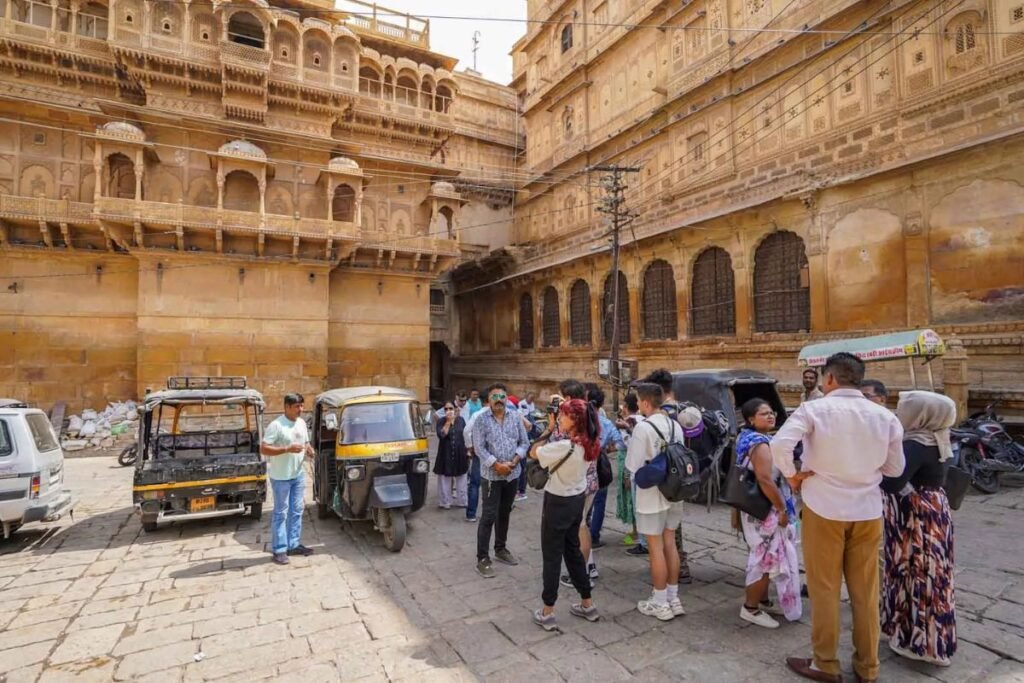
One of the biggest reasons tourists search for Jaisalmer Fort history is to understand why it is known as the Living Fort of Rajasthan and what makes it different from other forts in Rajasthan.
How It Became a Living Fort
Jaisalmer Fort was built in 1156 AD by Rawal Jaisal as a fully functional fortified city rather than just a military structure. Unlike many other forts in Rajasthan that were designed mainly for defense or royal residence, this fort was planned to include homes, temples, markets, and administrative spaces within its walls. Over time, traders, artisans, priests, and royal families settled inside the fort due to its strategic location on ancient trade routes connecting India with Central Asia and the Middle East. This continuous settlement is the main reason it evolved into a living fort.
Thousands of People Still Live Inside
Even today, a significant portion of Jaisalmer’s population continues to live inside the fort. Families have lived here for generations, preserving traditions, customs, and lifestyles that date back centuries.
Active Markets and Businesses
Walking through the narrow lanes of the fort, visitors can find local shops, handicraft stores, restaurants, guesthouses, and traditional homes. Every day life continues much as it has for centuries, making it feel like a living town rather than a historical monument.
Religious and Cultural Heritage
The fort houses ancient Jain temples and Hindu temples that remain active places of worship. Festivals, ceremonies, and cultural traditions are still celebrated inside the fort walls, keeping its spiritual and cultural life vibrant.
What Makes It Different from Other Forts in Rajasthan
Most forts in Rajasthan, such as Amer Fort or Mehrangarh Fort, are preserved as museums or tourist attractions where no one lives permanently. In contrast, Jaisalmer Fort is still inhabited, with functioning homes, shops, and community life. This continuous human presence makes it unique and gives visitors a rare opportunity to experience history as part of everyday life.
A Living Museum
Rather than being frozen in time, the fort evolves with its residents while maintaining its historical identity. This rare combination of heritage and daily life makes it one of the world’s most fascinating living forts.
Why Is It Called the Golden Fort Jaisalmer?
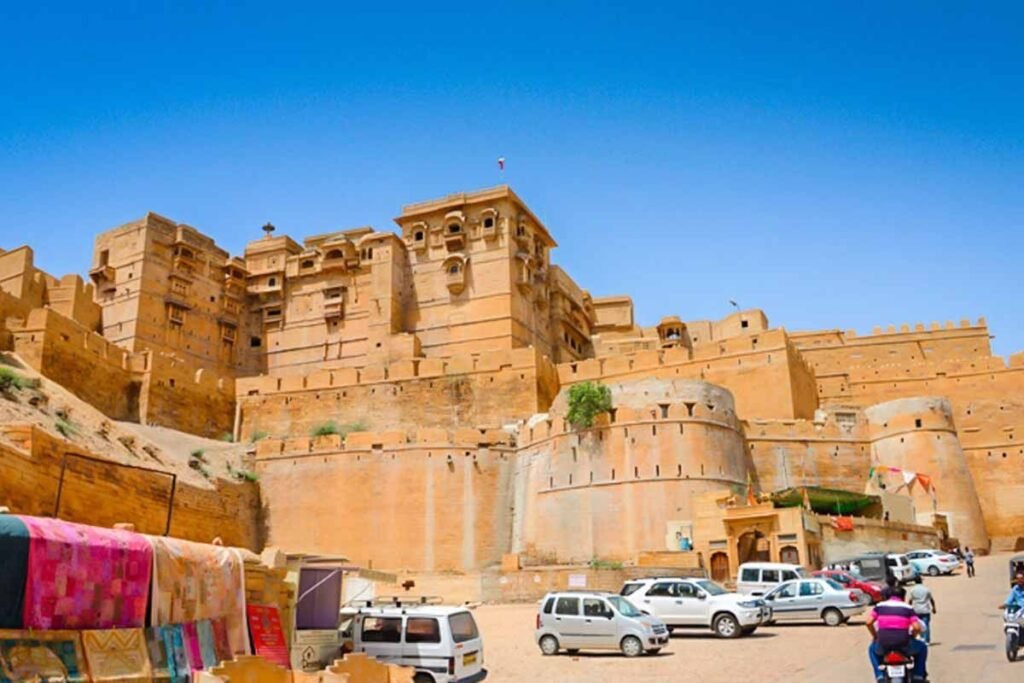
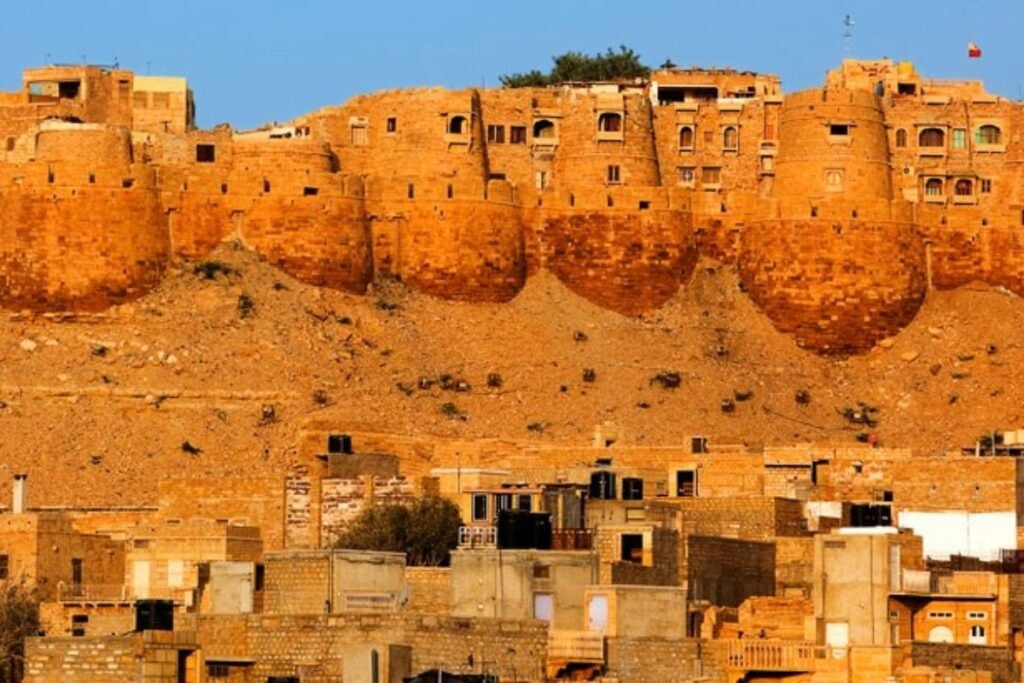
The nickname Golden Fort Jaisalmer comes from the fort’s stunning yellow sandstone construction.
During the day, the sandstone walls appear golden-yellow. As the sun begins to set, the entire structure glows with shades of honey gold, creating a magical sight that attracts photographers and travelers from around the world. This golden appearance has earned the fort names such as Swarn Durg, Sonar Quila, Sonargarh Fort Jaisalmer, and simply the Golden Fort.
The fort’s golden glow blends beautifully with the surrounding Thar Desert, creating one of Rajasthan’s most iconic landscapes.
Architecture of Jaisalmar Fort That Makes It Unique
The architecture of Jaisalmar Fort reflects the skill and creativity of Rajput craftsmen.
99 Massive Bastions
One of the fort’s most striking features is its 99 bastions, many of which were added during later centuries to strengthen its defenses.
Four Grand Entrance Gates
Visitors enter through a series of historic gates that once protected the fort from invading armies.
Raj Mahal Palace
The Raj Mahal served as the residence of Jaisalmer’s royal family and showcases beautiful balconies, courtyards, and intricate carvings.
Jain Temples
The Jain temples inside the fort are masterpieces of stone carving and architecture. Built between the 12th and 15th centuries, these temples attract visitors from across India.
Traditional Havelis
Many merchant families built beautifully carved havelis inside the fort, displaying the wealth generated through trade.
Jaisalmer Fort and UNESCO World Heritage Status
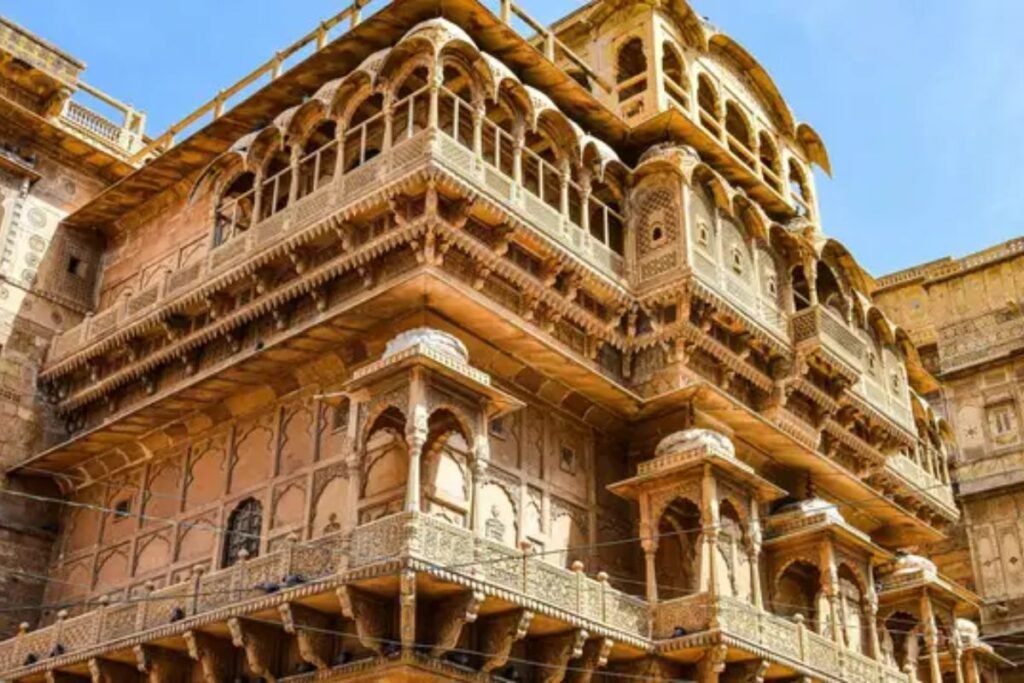
In 2013, Jaisalmer Fort received international recognition when it became part of the UNESCO World Heritage Site known as the Hill Forts of Rajasthan. This prestigious designation includes six important Rajput forts across Rajasthan.
The UNESCO recognition highlights the fort’s historical importance, unique architecture, military planning, and cultural value. It also places Jaisalmer Fort among the most famous forts of Rajasthan and India.
Top Things to See Inside Jaisalmer Fort
Raj Mahal
Explore the royal residence and learn about the history of Jaisalmer’s rulers.
Jain Temples
Admire the incredible carvings and spiritual significance of these ancient temples.
Laxminath Temple
One of the oldest Hindu temples within the fort complex.
Local Markets
Shop for handicrafts, textiles, jewelry, leather products, and souvenirs.
Rooftop Viewpoints
Enjoy panoramic views of the Golden City and the surrounding desert landscape.
Traditional Cafes
Relax while taking in breathtaking views of the sandstone city below.
Lesser-Known Facts About Golden Fort Jaisalmer
- Built in 1156 AD by Rawal Jaisal.
- One of the world’s very few living forts.
- Located on Trikuta Hill in the heart of the Thar Desert.
- Known worldwide as Sonar Quila or Golden Fort.
- Featured in the famous story and film Sonar Kella.
- Recognized as a UNESCO World Heritage Site.
Conservation Challenges Facing Jaisalmer Fort
Despite its beauty, Jaisalmer Fort faces several conservation challenges. Water seepage, growing population pressure, and increasing tourist activity have created structural concerns over the years. Restoration projects by heritage organizations continue to help preserve this historical treasure for future generations.
Responsible tourism plays an important role in protecting the fort’s heritage and ensuring its survival.
Best Time to Visit Jaisalmer Fort
The best time to visit Jaisalmer Fort is between October and March, when the weather remains pleasant and suitable for sightseeing.
Winter months offer comfortable temperatures, clear skies, cultural festivals, and beautiful sunset views of the Golden Fort. Sunrise and sunset are considered the best times for photography.
Best Instagram Photo Spots Inside Jaisalmer Fort
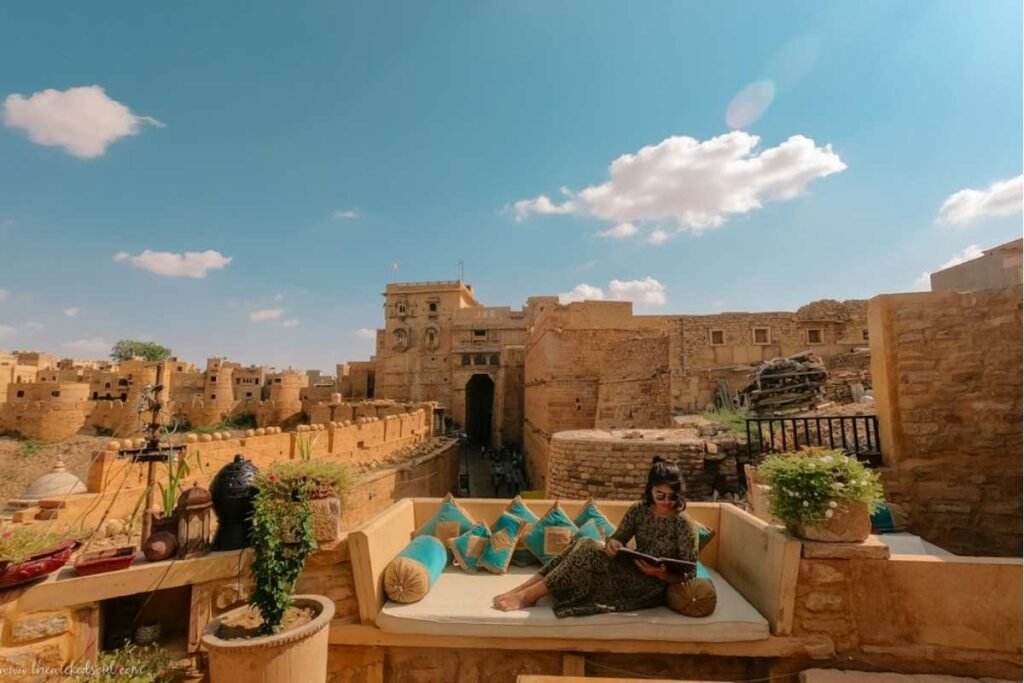
Jaisalmer Fort is one of the most photogenic heritage sites in India. The golden sandstone architecture, narrow lanes, rooftop cafes, and panoramic city views make it perfect for Instagram-worthy pictures.
Sunset View from the Fort Walls
The golden sandstone glows beautifully during sunset, creating the famous “Golden Fort” effect that attracts photographers from around the world.
Rooftop Cafes Overlooking the Golden City
Many rooftop cafes inside the fort offer stunning views of Jaisalmer’s yellow sandstone houses and havelis.
Jain Temple Corridors
The detailed carvings and ancient architecture provide unique photography opportunities.
Raj Mahal Courtyard
The historic royal palace offers beautiful backgrounds for travel photography.
Narrow Heritage Streets
The winding lanes, carved balconies, and local markets capture the authentic charm of the Living Fort of Rajasthan.
Fort Entrance Gates
The massive gates and sandstone walls make perfect portrait and travel photography locations.
When is Jaisalmer Fort the Most Crowded?
Since Jaisalmer Fort is a living fort where local families still reside, it remains active throughout the year. Around one-fourth of the city’s population continues to live inside the fort.
Peak Tourist Season (October to March)
The highest number of visitors arrives during winter when the weather is pleasant for sightseeing and desert activities.
During Maru Mahotsav
Jaisalmer becomes extremely crowded during the famous Maru Mahotsav (Desert Festival), which features folk performances, camel shows, cultural events, food festivals, and traditional competitions.
Jain Religious Celebrations
The Jain temples inside the fort attract large numbers of devotees during festivals such as Mahavir Jayanti and other important religious events.
Best Time to Avoid Crowds
Visit before 9:00 AM or after 4:30 PM for a more peaceful experience and better photography opportunities.
How to Include Jaisalmer Fort in Your Jaisalmer Itinerary
Most travelers spend only a few hours at the fort, but a well-planned itinerary allows you to experience the best of Jaisalmer.
Day 1: Explore the Golden Heritage
- Visit Jaisalmer Fort
- Explore Raj Mahal
- Discover the Jain Temples
- Walk through local markets
- Enjoy sunset views from the fort
- Visit Gadisar Lake in the evening
Day 2: Experience the Desert
After exploring the fort, continue your journey with a stay at a Desert Camp in Jaisalmer, where you can enjoy:
- Camel Safari
- Jeep Safari
- Traditional Folk Dance
- Live Rajasthani Music
- Bonfire Evening
- Desert Sunset Photography
- Stargazing Experience
Famous Things You Will Find Inside Jaisalmer Fort
A visit to Jaisalmer Fort is memorable because it offers much more than history.
Ancient Jain Temples
Seven beautifully carved Jain temples dating from the 12th to 15th centuries are located within the fort complex.
Traditional Handicrafts
Visitors can shop for:
- Leather products
- Mirror work items
- Handmade jewellery
- Rajasthani textiles
- Wooden handicrafts
Historic Havelis
The fort contains beautifully carved merchant homes that showcase the prosperity of ancient trade routes.
Local Food Experiences
Try authentic Rajasthani dishes and enjoy rooftop dining with spectacular views of the Golden City.
Living Heritage
Unlike most historical forts, Jaisalmer Fort is still home to families, shops, temples, cafes, and guesthouses, making every visit feel like stepping into a living piece of history.
Panoramic Desert Views
From the fort walls, visitors can enjoy breathtaking views of the city and the surrounding Thar Desert landscape.
Complete Your Jaisalmer Experience with a Desert Stay
After exploring the magnificent Golden Fort, the next experience every traveler should enjoy is the desert landscape that makes Jaisalmer famous worldwide.
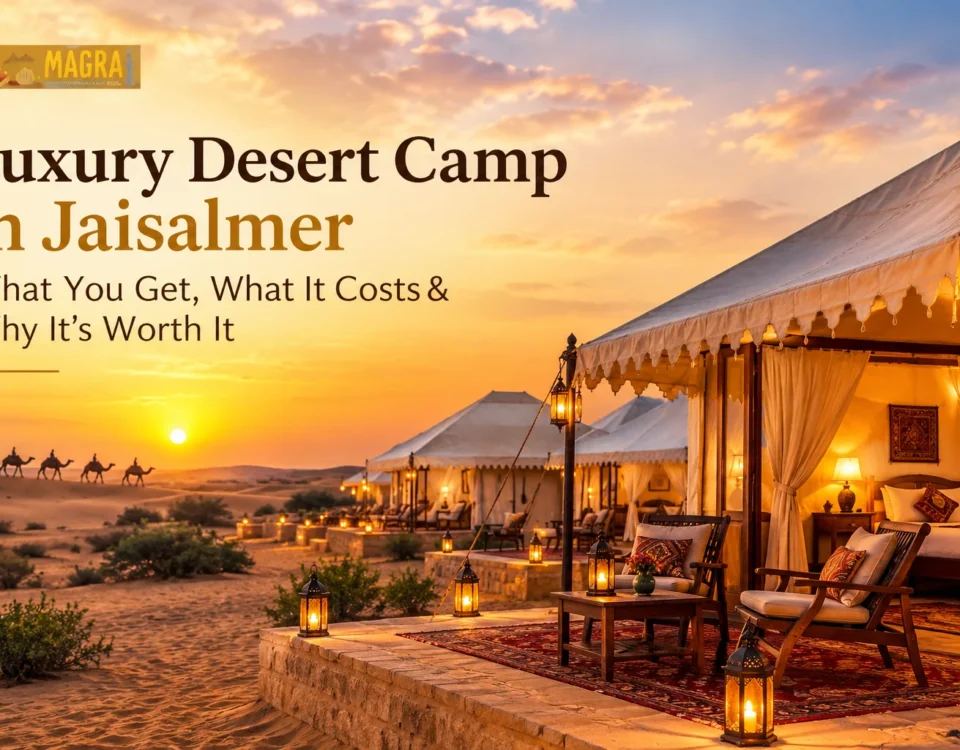
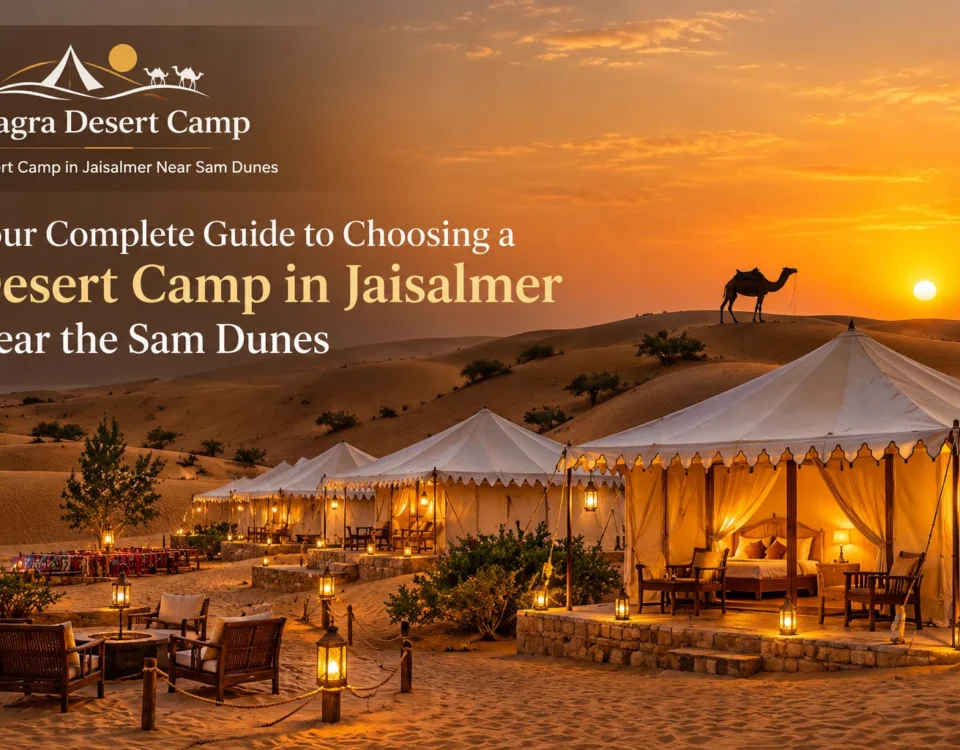
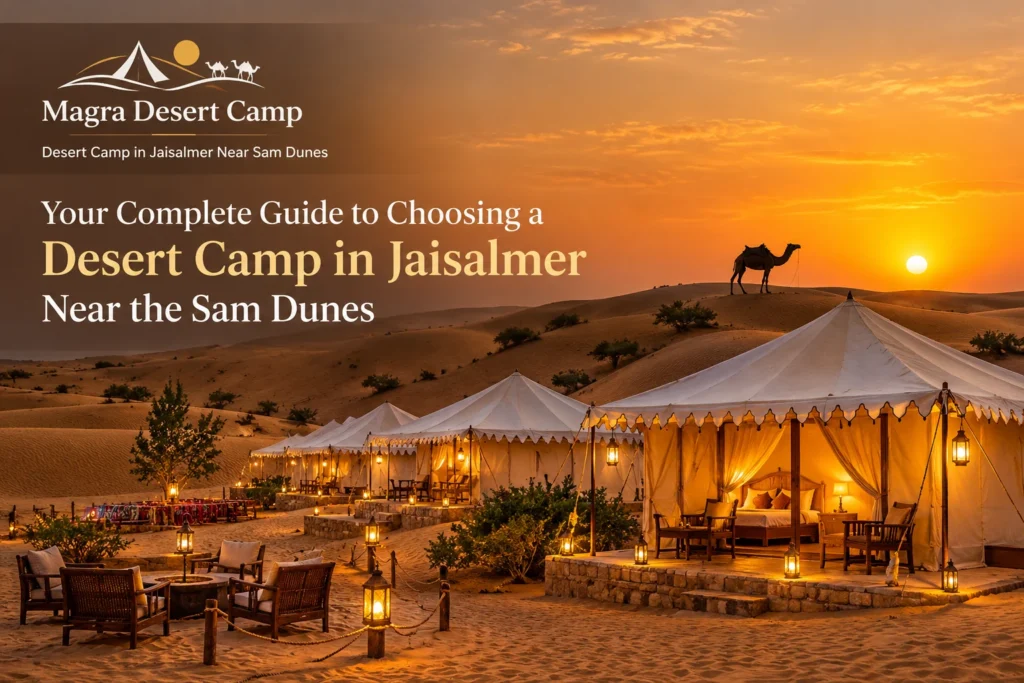
A stay at a Desert Camp in Jaisalmer allows visitors to experience camel safaris, jeep safaris, folk music performances, traditional Rajasthani cuisine, and unforgettable sunsets over the sand dunes.
For travelers seeking comfort and luxury, booking a Luxury tent in Jaisalmer provides the perfect blend of modern amenities and authentic desert hospitality. From cultural evenings to stargazing under the open desert sky, it is the ideal way to complete your Jaisalmer journey.


1 Comment
[…] which offers a comfortable journey and allows you to combine your visit with other attractions like Jaisalmer Fort and Bada Bagh. Travelers can also rent a bike to enjoy a scenic ride through the Thar Desert […]